
Inflammaging: How Chronic Inflammation Accelerates Visible Aging
“Before trying to desperately make patients look younger, we should first try to stop them from decaying. ”
Aging is influenced by many things - genetics, lifestyle, sun exposure and internal physiology, but one factor gaining significant attention in skin science is inflammaging.
Inflammaging refers to the low-grade, chronic inflammation that builds up in the body over time and accelerates visible signs of aging in the skin and deeper facial layers.
This type of inflammation is different from the redness and swelling we experience during an acute injury. Instead, it’s subtle, ongoing, and often unnoticed - yet it plays a major role in the breakdown of collagen and elastin, impaired barrier function and slower repair and healing.
What is Inflammaging?
Inflammaging is a biological process driven by long-term, systemic inflammation. Over time, this persistent inflammatory state disrupts the skin’s ability to repair and regenerate efficiently.
How chronic inflammation affects the skin:
Increases the breakdown of collagen and elastin
Impairs the skin barrier, leading to dryness, irritation and sensitivity
Reduces cellular energy and slows healing responses
Disrupts pigment pathways, contributing to uneven tone
Contributes to fine lines and texture changes
While inflammaging is a natural part of aging, lifestyle and environmental factors can significantly accelerate the process.
Common Triggers of Inflammaging
Stress: Chronic stress increases cortisol, which can reduce skin repair capacity, increase inflammation and impair barrier function.
Poor Sleep: Nighttime is when the skin performs most of its repair and regeneration. Insufficient sleep disrupts these cycles and elevates inflammatory markers.
Diet & Gut Health: Ultra-processed foods, high sugar intake and alcohol can promote inflammatory pathways. Gut imbalance (dysbiosis) also influences the skin via the gut-skin axis, with inflammation in the digestive system often reflected on the skin surface.
UV Exposure & Pollution: Sun exposure is one of the strongest accelerators of inflammaging, triggering oxidative stress and degrading collagen.
Hormonal Shifts: Changes in estrogen and progesterone - particularly during perimenopause and menopause - reduce the skin’s ability to regulate inflammation and repair effectively.
Visible Signs of Inflammaging
Dullness and slower cell turnover
Increased redness and sensitivity
Crepey texture and fine lines
Uneven skin tone and persistent pigmentation
Premature laxity
Breakouts or chronic congestion
These signs often appear even when skincare routines are consistent, making inflammaging a hidden driver of frustration for many clients.

Key Takeaway
If your skin feels more reactive, red or textured than it used to, there’s often more to the story than products alone.
Inflammaging is a hidden driver of visible aging - and understanding it is the first step to supporting healthier skin.
Supporting the Skin:
Internal & External Balance
There is no single solution for inflammaging - rather, it requires a multi-dimensional approach that respects both internal health and skin integrity.
Internal Strategies:
- Whole foods foundation with protein, omega-3 fats, colorful vegetables and polyphenols
- Reduce inflammatory triggers such as excessive sugar and alcohol
- Support the gut microbiome with fiber, prebiotics and probiotic-rich foods if tolerated
- Prioritise restorative sleep
- Build stress regulation practices such as breathing exercises, movement, time outdoors or journaling
- Hydration to support cellular function
External Strategies:
- Daily SPF to protect against UV-driven inflammation
- Barrier-supporting skincare such as ceramides, omegas, niacinamide and gentle hydration
- Avoid over-exfoliation or aggressive treatment stacking
- Introduce actives slowly to maintain tolerance
- Consider professional skin treatments that support cellular health and collagen stimulation (if appropriate following consultation)
Why This Matters: Inflammaging is one of the most significant - yet overlooked - contributors to premature aging. When inflammation is reduced and the skin barrier is strong, the skin is more resilient, repair is more efficient and any professional skin treatments are better tolerated.
This is not about perfection or strict rules; it’s about supporting the skin from all angles rather than relying on one single product or procedure.
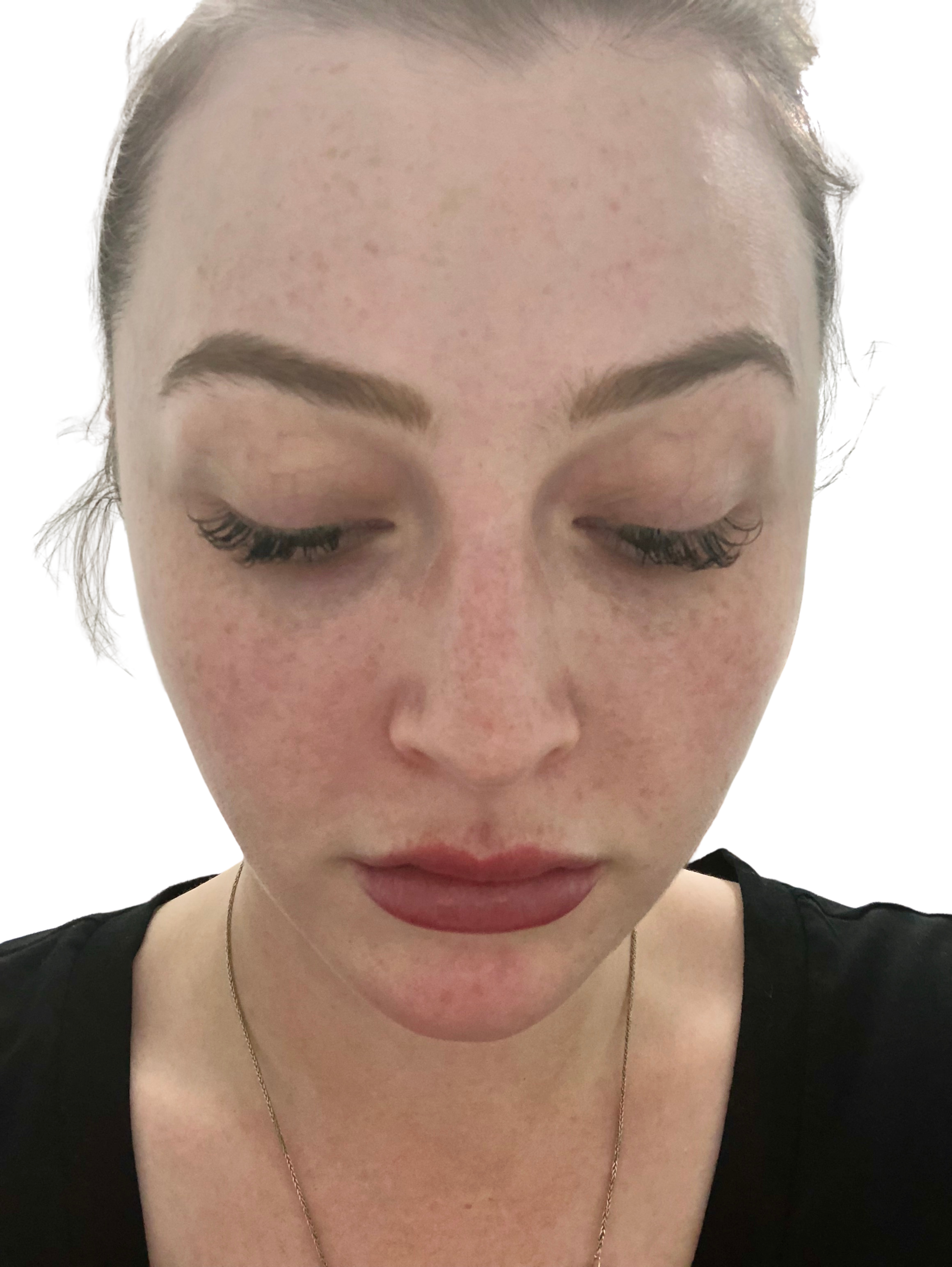
Here at only 23 years young, 12 months into my cosmetic nursing journey, I had barely any skincare routine and I never wore SPF - I thought if I was inside all day I didn’t need it - wrong!
I survived on takeaway food, lived on caffeine, rotating night shifts and workedseven days a week. I was constantly stressed, sleeping poorly and ignoring every signal my body was trying to send me.
Looking back, I was the perfect example of inflammaging - the slow, chronic internal inflammation that quietly accelerates visible aging and it certainly was showing.
Clinical Assessment & Planning in Practice
Inflammaging isn’t something that shows up overnight - it builds slowly and quietly over time. A thoughtful assessment helps identify what is driving inflammation for each individual, where the skin is struggling to repair itself, and what changes will genuinely move the needle.
What a Holistic Skin Assessment May Explore
Skin & Barrier Function
- Redness, irritation or reactivity patterns
- Signs of barrier weakness (tightness, stinging, dryness, flaking)
- Texture changes or crepey appearance
- Hydration levels and transepidermal water loss indicators
Internal & Systemic Contributors
- Stress load and cortisol rhythm
- Sleep quality and recovery ability
- Nutrition and gut health indicators (bloating, intolerances, irregular digestion)
- Hormonal influences (e.g. cycle changes, perimenopause or postpartum shifts)
Lifestyle & Environmental Factors
- UV and heat exposure
- Alcohol and caffeine habits
- Smoking or vaping
- Work schedule (rotating nights, high-demand roles)
- Skincare routines including over-exfoliation or active overuse
Rather than treating the skin in isolation, we look at the full environment the skin is living in.
How we can help
Our approach focuses on building healthy, functional skin rather than relying on quick fixes. We combine skin science, internal wellbeing considerations and personalised planning to create strategies that respect the skin’s biology and healing timelines.
A consultation is an opportunity to understand your unique inflammation drivers and establish a roadmap that supports the skin from the inside out.
Frequently Asked Questions
How do I know if inflammaging is affecting my skin?
Common signs include persistent redness, sensitivity, puffiness, uneven tone, slower healing, dullness, or feeling like your skin is “tired” despite trying multiple products.
Can skincare alone resolve inflammaging?
Skincare is important, especially for rebuilding the barrier, but internal inflammation requires lifestyle and systemic support too. Both internal and external strategies work best together.
Does stress really show on the skin?
Yes. Elevated cortisol increases inflammatory signalling, contributes to collagen breakdown and impairs repair processes.
Why do some people age visibly faster than others?
Genetics play a role, but lifestyle, UV exposure, workload, stress, poor sleep and inflammation create significant differences between individuals.
How long does it take to see improvement?
Everyone is different, but reducing chronic inflammation generally requires consistency over weeks to months - not days. It is a long-term approach, not a sprint.
Is it normal to feel confused about what your skin needs?
Absolutely. Many people try to fix surface symptoms without understanding underlying triggers. Education is central to our approach because information allows for confident decisions.
Your 6 Month Internal & External Skin Support Plan (example)
Month 0: Consultation & Baseline Mapping
Identify triggers, perform detailed skin analysis, review lifestyle and medical history, set goals, capture photos.
Month 1: Barrier Reset
Hydration, barrier restoration skincare, SPF routines, irritant removal, LED therapy as needed.
Month 2: Cellular Regulation
Introduce active ingredients gradually (antioxidants, peptides, mild retinoids if suitable), nutrition & sleep integration, microbiome support.
Month 3: Collagen Support
Skin needling or regenerative skin treatment (if appropriate), pause actives pre/post.
Month 4: Brightening & Clarity
PRX or gentle resurfacing options to support tone and texture, focus on antioxidant therapy.
Month 5: Integration Phase
Strengthen lifestyle habits, assess treatment tolerance, layer supportive modalities if required.
Month 6: Review & Long-Term Strategy
Reassess triggers, repeat photos, decide on maintenance schedule or seasonal rotation.
Important Note
All treatment recommendations are tailored and require a full clinical assessment and individual consideration of medical history, safety, and suitability. Any prescription-only treatments are only discussed and provided under appropriate prescribing practitioner consultation and are not advertised or promoted here.
For targeted clinical nutrition support we recommend Tanya from Optimum Testing. Tanya has completed a Bachelor of Health Science, majoring in Nutritional & Dietetic Medicine
The information provided in this article is for general education and informational purposes only. It is based on current research relating to inflammation, skin physiology and holistic skin health. It is not intended as personal medical advice, diagnosis or treatment recommendations. Individual skin needs and suitability for any professional treatments can only be determined following a comprehensive consultation with a qualified health professional.
Any therapies that require prescription oversight are discussed only in a clinical setting and are not advertised or promoted here.
References
Zhuang, Y., & Lyga, J. (2014). Inflammaging and Skin: The Effects of Inflammation on Skin Aging. International Journal of Molecular Sciences, 15(5), 928–949.
https://doi.org/10.3390/ijms15059228Makrantonaki, E., & Zouboulis, C. C. (2007). Molecular mechanisms of skin aging: State of the art. Annals of the New York Academy of Sciences, 1119(1), 40–50.
https://doi.org/10.1196/annals.1404.027Franceschi, C., & Campisi, J. (2014). Chronic inflammation (inflammaging) and its potential contribution to age-associated diseases. The Journals of Gerontology Series A.
https://doi.org/10.1093/gerona/glu057Farage, M. A., Miller, K. W., Elsner, P., & Maibach, H. I. (2013). Intrinsic and extrinsic factors in skin aging. Clinics in Dermatology, 31(1), 13-26.
https://doi.org/10.1016/j.clindermatol.2013.04.006Pillai, S., Oresajo, C., & Hayward, J. (2005). Ultraviolet radiation and skin aging: Roles of reactive oxygen species, inflammation and protease activation. International Journal of Cosmetic Science.
https://doi.org/10.1111/j.1467-2494.2005.00281.xVachon, H., et al. (2019). The role of nutritional factors and gut microbiota in skin health and aging. Nutrients, 11(12), 2826.
https://doi.org/10.3390/nu1112282Nedelec, A. S., et al. (2020). Sleep and skin function. Journal of Clinical and Experimental Dermatology.
https://doi.org/10.1111/ced.14392Chen, Y., Lyga, J. (2014). Brain-skin connection: Stress, inflammation and skin aging. Inflammation & Allergy Drug Targets.
https://doi.org/10.2174/1871528114666131119091932Lephart, E. D. (2018). Skin aging and oxidative stress: Hormonal influences and antioxidative therapy. Skin Pharmacology and Physiology.
https://doi.org/10.1159/000486361Rittié, L., & Fisher, G. J. (2015). UV exposure and photoaging: Molecular mechanisms and preventive approaches. Journal of Investigative Dermatology Symposium Proceedings.
https://doi.org/10.1038/jidsymp.2015.17